

Top Benefits of Using Acrylic Roof Coatings for Commercial Buildings
Aug 13, 2025
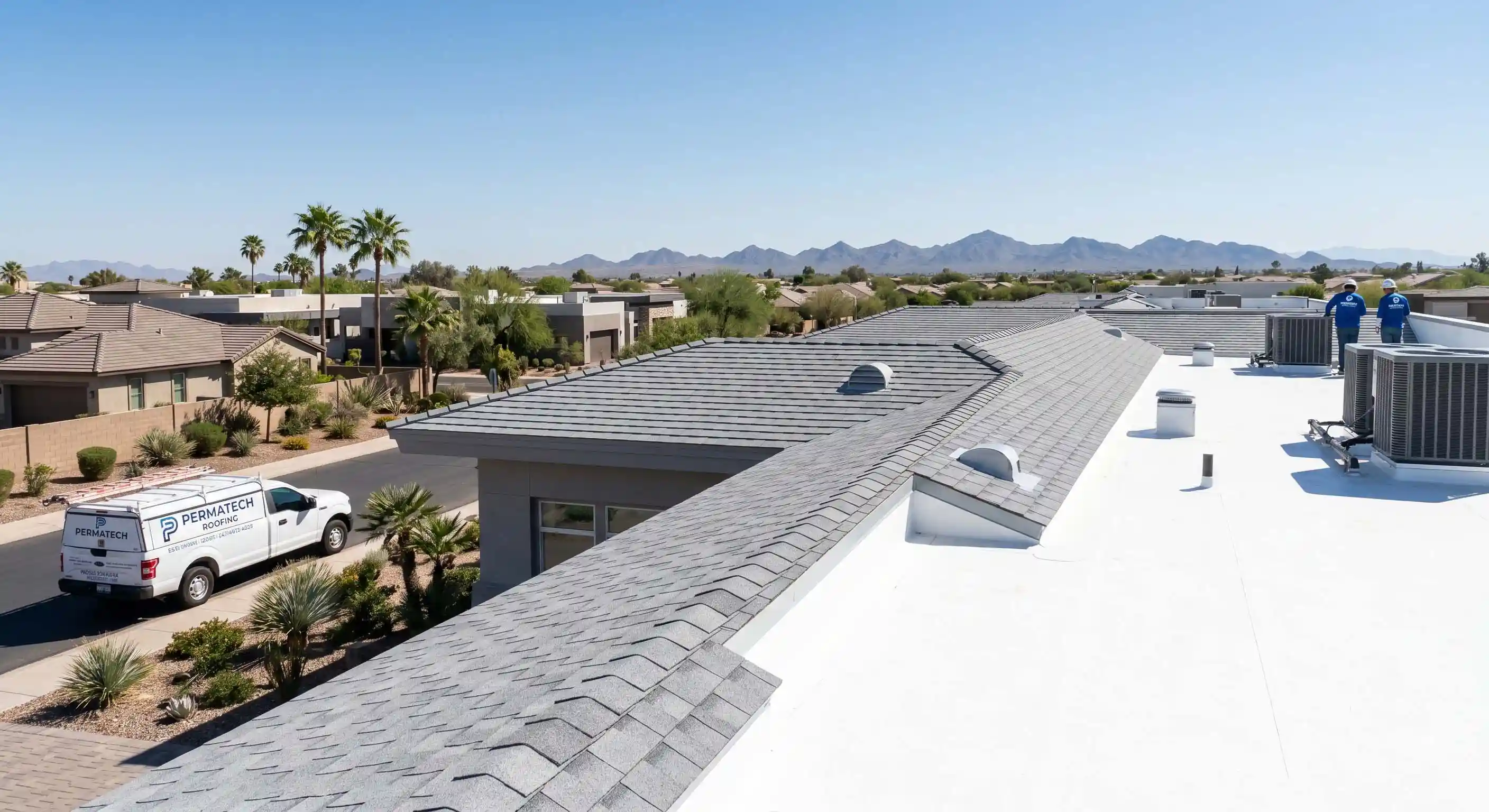
The roof of any office complex, warehouse, or retail center is the first barrier against all types of weather conditions and external factors. Over the years, Acrylic Roof Coatings for Commercial Buildings has gained popularity for good reason. Acrylic Roof Coatings are cost-effective, long-lasting, and energy-efficient.
Let us look at some of the key benefits of using Acrylic roof coatings for Commercial Buildings.
Back to BlogWhat Are Acrylic Roof Coatings?
Acrylic roof coatings are like a protective shield atop your commercial building. While these coatings look like paint and are as easy to apply, they are very beneficial. The coatings act like protective films against UV rays, heat, moisture, etc. They are also resistant to ponding water to a certain extent. The primary composition of Acrylic roof coatings is water-based acrylic polymers. They are in high demand for application on sloped metal roofs, but they also work very well with modified bitumen, spray polyurethane foam (SPF), single-ply membranes, and built-up roofs, too.Benefits of using Acrylic roof coatings for Commercial Buildings
1. Easy to Apply and Maintain
The biggest advantage of acrylic roof coatings is that they are very easy to apply. They can be applied using a brush, a roller, or a spray technique, and they spread evenly and dry quickly. The application of Acrylic coatings involves minimized downtime and low labor costs. Maintaining the coatings is easy; all they require is light power washing and an occasional reapplication, and your roof will be fine for many years without any need for major repairs.2. Reduces Energy Costs by Reflecting Heat
Up to 85% of the sun's rays are reflected by the white colour of acrylic coatings, significantly reducing the temperature of the roof surface. Due to the less heat transfer in the building, your HVAC system won't need to work as hard, thereby reducing energy costs. Lower interior temperatures translate into lower energy costs and more money for you.3. Extends Roof Life
Acrylic coatings act both as a raincoat during the rains and sunscreen during the hot summers. They form a protective layer and protect the roof from UV rays, water damage, and extreme temperatures. They lessen roof deterioration, brittleness, and cracking, some of the common problems that force an early roof replacement. When applied properly, a high-quality acrylic roof coating can increase the lifespan of your roof by 10 to 15 years, or even longer with subsequent applications.4. Excellent UV Protection
UV rays are one of the biggest threats to any roof. Acrylic coatings have elastomeric qualities that enable them to expand and contract when the temperature changes while protecting your roof from damaging UV rays. Over time, the coatings help improve structural integrity, reduce fading and cracking.5. Weather Resistance and Waterproofing
Acrylic roof coatings provide strong water resistance for sloped or well-draining roofs. They offer protection from:- Prolonged downpours
- Wind-driven debris
- Snow accumulation
- Sudden changes in temperature