

Resources & Insights

Your Resources for Installing Cool Roofing
The CRRC is perfect for building proprietors who want to know more about cool roofing, the types of products available, rebate information, and so forth. In addition, the CRRC aims to furnish trustworthy ratings for solar reflectance and thermal emittance of new and aged cool roofing materials. This post will talk about everything that is to know when it comes to cool roofing. So, if you are in the market to install a cool roof, then you're in the right place! We will provide information on the different types of cool roofs, what to look for when selecting a product, and tips on best installing them. The Role of CRRC The Cool Roof Rating Council (CRRC) is an independent organization that rates roofing products' solar reflectance and thermal emittance. The CRRC was established in 1998 to provide an impartial way of testing and rating cool roof products. A cool roof has been designed to reflect more sunlight and absorb less heat than a standard roof. Then this can be accomplished through the use of lighter colors, reflective coatings, or reflective tiles. Products that earn a high rating from the CRRC can help to keep your home cooler in the summer, lowering your energy bills and reducing your carbon footprint. In addition, cool roofs can help prolong your roof's life by protecting it from UV damage. So if you're looking for a way to improve your home's energy efficiency, consider investing in a cool roof. With the help of the CRRC, you can be sure that you're getting a quality product that will live up to its promises. Choosing a Cool Roof System Installer Finding a skilled and certified contractor to install your cool roof system can be challenging. To find the right installer, you should ask your friends and family for recommendations and do some research online. Make sure to check out the contractor's reviews, too! You can also look up certifications from professional organizations like the CRRC, which evaluates cool roofing systems for quality and performance. Tucson Rubberized Coatings' roofing contractor team has approved Cool Roof Coating Systems applicators . With extensive experience and a reputation for high-quality workmanship, our team is widely respected by other providers in the industry. Contact us today to get connected with an approved applicator near you. Cool Roof Calculators If you are on your way to installing a cool roofing system, then you can look up and refer to these calculators: The US Department of Energy's Oak Ridge National Laboratory has estimated the energy and peak demand for large facilities with flat roofs that do not have a black surface. US Department of Energy's Oak Ridge National Laboratory estimates that small to medium-sized buildings with flat roofs would save on cooling and heating costs if the roof weren't black. The REST (Roof Energy Savings Tool) software is a cutting-edge, all-encompassing modeling tool developed by National Coatings to help building managers assess various roofing systems in terms of their impact on the energy consumption of the buildings they oversee. ENERGY STAR Reducing your reliance on air conditioning is a great way to conserve energy and save money. Energy Star provides a directory of roofing products that achieve these goals. They focus on cool roof products that reduce energy consumption and peak cooling demand. Their website allows you to easily search for AcryShield Roof Coatings that have been certified by Energy Star as compliant with their standards. What Is Cool Roofing? A cool roof is a roofing system designed to reflect more sunlight and absorb less heat than a standard roof. Cool roofs can be made of various materials, including metals, polymers, and coatings. They are often white or light-colored to maximize reflectivity. Cool roofs can be used on both commercial and residential buildings. One of the benefits of a cool roof is that it can help to reduce energy costs by keeping the building cooler during hot weather. In addition, cool roofs can extend a roof's lifespan by protecting it from UV damage and thermal cycling. Some cool roofs also have the added benefit of providing better sound insulation than standard roofs. Benefits of Using a Cool Roofing System Here are the top benefits of using a cool roofing system: A cool roofing system is a type of roofing that reflects sunlight and absorbs less heat than a standard roof. This can help to reduce energy costs, as well as improve the comfort of your home. Cool roofs are also designed to last longer than standard ones, which can help reduce the Urban Heat Island Effect. In addition, cool roofs can help to reduce smog and air pollution. If you are looking for a roof that will help save money and improve the comfort of your home, a cool roof may be the right choice. There are a variety of cool roofing systems available, and each has its benefits. For example, metal roofs reflect more sunlight than asphalt roofs and are also fire-resistant. Tile roofs are also good at reflecting sunlight and offer excellent durability. How to Install a Cool Roofing System? A cool roofing system is a great way to keep your home cool in the summer and warm in the winter. It works by reflecting sunlight away from the house and trapping heat inside the house during the winter. The best time to install a cool roofing system is in the spring or fall when the weather is mild. Here are a few tips to help you get started: First, ensure that your roof is in good condition and free of debris. Next, calculate the square footage of your roof so you know how much material you need. Then, choose a reflectivity rating for your shingles - the higher the rating, the more effective they will be at reflecting sunlight. Finally, install your shingles according to the manufacturer's instructions. Following these simple steps, you can install a cool roofing system to help keep your home comfortable all year round. Contact Us To know more about installing cool roofing systems and the products we offer, contact Tucson Rubberized Coatings. We are experts in commercial and residential roofing systems and can help you with everything about roofing.
Nov 21, 2022

Things You Need to Know About Cool Roof Coating Systems
Cool roof coating systems might be the answer if you're looking for a way to cool your home or business. But before you invest in a cool roof system, there are some things you need to know. In this blog post, we will discuss five of the most important things you need to know about cool roof coatings. We'll also provide tips on choosing the right system for your needs. So if you're considering installing a cool roof system, read this blog post! 5 Things About Cool Roof Coating Systems The Sun Is the Most Damaging Element to Your Roof The sun is intense. That's no secret. Its intense heat can cause all sorts of problems for building owners - one of those problems is damage to your roof. The sun's rays can break down the protective coating on your roof , causing it to degrade and eventually fail. In addition, the intense heat can cause shingles to become brittle and crack. As a result, it's essential to protect your roof from the sun - such as adding a protective coating or shading the roof with trees or other structures. By taking these precautions, you can help extend the life of your roof and avoid expensive repairs down the road. Buildings With Cool Roof Coatings Maintain a Lower Temperature Cool roof coatings are specialized paints or other materials that reflect more sunlight and absorb less heat than traditional roofing materials. Cool roof coatings can help keep a building cooler in warm weather by reflecting sunlight. This can improve comfort levels for occupants and reduce air-conditioning costs. In addition, cool roof systems can help prolong a roof's life by reducing the thermal stress on the roof surface. As a result, cool roof coatings can provide economic and comfort benefits for buildings. Thus, when it is summertime, and the sun is beating down on your roof, cool roof coatings can help keep it cool. Cool Roof Coating Systems Promote Energy Efficiency In the hot summer months, the roof of a building can absorb a great deal of heat, causing the inside of the building to feel uncomfortably warm. This can lead to increased energy costs as the air conditioning system works overtime to keep the building cool. One way to help reduce energy costs is to install a cool roof coating system . Cool roofs reflect sunlight and heat away from the building, helping to keep the interior cooler. In addition, cool roofs can also reduce cooling costs by absorbing less heat from the sun. As a result, cool roof coating systems effectively promote energy efficiency and reduce cooling costs. Cool roof coatings have been shown to reduce cooling energy demands in buildings by up to 50%. So, it can benefit many homeowners and business owners. Roof Coatings Reduce Landfill Waste One way to reduce landfill waste is to use roof coatings. A roof coating is a protective layer applied to the roofing system of a building. It can prolong the life of the roof and improve its performance. Roof coatings are typically made of acrylic, silicone, or urethane. They are available in a variety of colors. When applied correctly, roof coatings can extend the life of a roof by up to 10 years. They can also help to reflect heat and UV rays, reducing energy costs. In addition, roof coatings can improve the appearance of a roof and protect it from weather damage. As a result, roof coatings are an effective way to reduce landfill waste. Conventional roofs typically last for 20-30 years before they need to be replaced. However, a roof coated with a protective layer can last much longer with proper maintenance. This means that fewer roofs will end up in landfills. As more people adopt roof coatings, we can collectively reduce our environmental impact . Cool Roof Systems Promote Lesser Maintenance Costs Roof maintenance can be a costly and time-consuming endeavor. Roof repairs can quickly add up from repairing roof leaks to replacing damaged shingles. However, installing a cool roof system can help to promote lesser maintenance costs over time. Cool roof systems work by reflecting sunlight away from roof surfaces, helping to reduce the temperature of the existing roof. This can help extend roof life by reducing the heat damage that occurs over time. In addition, cool roof systems can also help to reduce the chance of roof leaks, as cooler temperatures help to prevent shingles from becoming brittle and breaking. As a result, investing in a cool roof system can save money in the long run by promoting lesser maintenance costs. How to Choose the Right Cool Roof Coating System When choosing a cool roof coating system for your home or business, there are many factors to consider. One of the most important is the cooling system itself. The roof's surface must reflect a high percentage of the sun's rays to keep the building cool. This is known as the solar reflectance index (SRI). Cool roof coatings typically have an SRI of at least 70. Another essential factor to consider is the type of roof you have. Some cool roof coatings are only suitable for flat or smooth surfaces, while others can be applied to more irregular surfaces. Finally, you will need to decide on a color for your cool roof coating. Light colors are typically more reflective than dark ones, but there are also drawbacks. Dark colors absorb more heat, making your cooling system work harder, and light colors may fade over time. Choose a color that is right for your needs and budget. Let Us Help You! One of the great things about cool roof coatings is that they come in various colors and finishes. This allows you to customize the look of your building and choose the best one to fit your needs. At Tucson Rubberized Coating, we have been providing cool roof coating systems for years. Our experienced team will help you find the perfect cool roof system. We offer a variety of cool roof coatings in different colors and with different SRIs. Contact us today to learn more about how cool roof coatings can save money and reduce landfill waste. We look forward to working with you!
Nov 21, 2022

Guide to Applying Elastomeric Roof Coating
If you're in the market for a new roof or if your old roof is showing signs of wear and tear, you may consider elastomeric roof coating as an option. Elastomeric coatings are becoming increasingly popular due to their many benefits, including durability, weather resistance, and low maintenance. This blog post will discuss what you need to know before applying elastomeric roof coating . We'll also provide tips on getting the best results from your coating. How to Apply Elastomeric Roof Coatings Preparation Step 1: Clean Elastomeric coating is a popular choice for flat roofs and metal roofs. It is a seamless, waterproof membrane that can extend the life of your roof and protect it from ponding water, UV rays, and extreme temperatures. However, before applying an elastomeric coating , you must clean the roof surface to remove any dirt, debris, or moss. Cleaning the surface will ensure that the elastomeric coating adheres properly and creates a tight seal. You can use a power washer or a soft-bristle brush to remove any build-up on the roof. Once the surface is clean, you can apply the elastomeric coating according to the manufacturer's instructions. With proper preparation, an elastomeric coating can provide an effective barrier against the elements and help prolong your roof's life. Step 2: Repair Elastomeric coating is highly flexible, which helps it to resist cracking and peeling. Before applying an elastomeric coating, it is essential to repair any cracks or holes in the roof using a sealant. This will ensure that the coating adheres properly and does not allow water to seep. In addition, other elastomeric coatings should be removed before applying a new coating layer. Silicone-based coatings are tough to remove, so it is essential to consult a professional if you are unsure how to do this. Finally, it is best to apply the silicone roof coating in the spring or fall months, as the extreme temperatures in the summer and winter can cause the coating to fail. Application Step 3: Apply Applying a silicone roof coating is a great way to extend the life of your roof and prevent leaks. Silicone coatings are highly resistant to UV light, impact, and extreme temperatures, making them ideal for protecting roofs from the elements. When applying silicone roof coatings, it's essential to use a brush, roller, or sprayer designed explicitly for the product. This will ensure that the coating is evenly applied and that there are no missed areas. Here are what you need to remember: First, evenly spread a base coat of AcryShield across the entire roof using either a sprayer or roller. For best results, allow the coating to dry for 8-24 hours. Lastly, put on a top coat of AcryShield using a crosshatch pattern. Step 4: Dry Silicone coatings are durable and resistant to sunlight, making them ideal for use on outdoor surfaces. However, allowing the silicone coating to dry completely before walking on it or allowing pets onto it is essential. If the silicone coating is not given enough time to dry, it may not adhere properly to the surface and could start to peel off. Allowing the silicone coating to dry completely before using the surface will help ensure that it lasts many years. Silicone Roof coating Rate per Gallon per 100 Square Feet Asphalt / BUR / Mod Bit ARM, the ACRYSHIELD Roof Management System, will be applied to the roof. This system consists of 3 gallons per 100 square feet of ACRYSHIELD, evenly dispersed in two coats. Below are the specifications: AcryShield A503 base coat - 1.5 gallons per 100 square feet AcryShield A400 top coat - 1.5 gallons per 100 square feet EPDM / PVC / TPO The entire roof will use the ARM System, consisting of a minimum of 24 dry mils (or approximately 3 gallons) per 100 square feet. Take note: AcryShield A502 base coat - 1.5 gallons per 100 square feet A500 topcoat - 1.5 gallon per 100 square feet Hypalon The entire roof will be given the ARM System, which has a minimum of 20 dry mils of ACRYSHIELD coating or 3 gallons for 100 square feet. Refer to this AcryShield A502 base coat 1.5 gallons / 100 sq ft AcryShield A500 top coat - 1.5 gallons / 100 sq ft Metal The entire roof will be coated with the ARM System, consisting of 24 dry mils of AcryShield coating or 3 gallons per 100 square feet. This will include the following: Acrylic A510 base coat - 1.5 gallons per 100 square feet Acrylic A400/A510 top coat - 1.5 gallons per 100 square feet The Benefits of Elastomeric Coatings Durable and Long Lasting Elastomeric coatings are a protective coating often used on commercial and industrial buildings. Unlike traditional paint, these coatings are highly elastic and impact resistant, making them ideal for areas that are subject to wear and tear. In addition, elastomeric coatings provide excellent protection against weather damage, UV radiation, and chemical corrosion. As a result, they can help to extend the life of a building by years or even decades. While elastomeric coatings are more expensive than traditional paint, they are well worth the investment for any business or property owner who wants to protect their investment. Protection From the Elements Elastomeric coatings are a type of protective coating often used on homes. The word "elastomeric" refers to the fact that these coatings can stretch and return to their original shape. This makes them ideal for protecting surfaces from impact damage. In addition, elastomeric coatings are also resistant to standing water and UV radiation. This makes them a good choice for protecting your home from the elements, especially during winter. When applied correctly, elastomeric coatings can provide many years of protection for your home. Energy-Efficient Elastomeric coatings are becoming increasingly popular due to their energy efficiency. These coatings help reflect sunlight and heat, keeping the building cooler in the summer and reducing the energy needed to cool the space. In the winter, elastomeric coatings help insulate the building, keeping heat from escaping and reducing the energy needed to heat the space. The result is lower energy costs and smaller energy bills. Contact Us Today! If you need help deciding which type of elastomeric coating is right for your project, we can help. Our team of experts has years of experience working with all types of elastomeric coatings. Contact us today to learn more about our services.
Nov 18, 2022
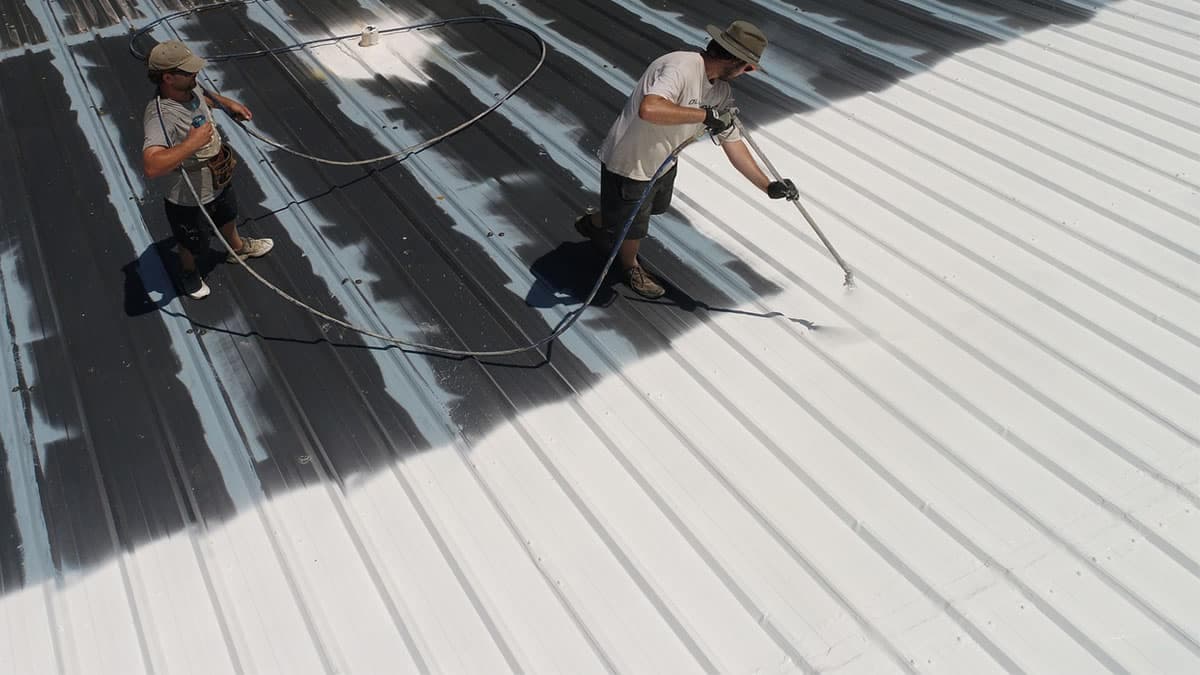
Why opt for Green Roof Systems?
If you're looking for an environmentally friendly way to improve your home or business, you should consider installing a green roof system. Not only are they great for the environment, but they can also provide several benefits for anyone opting to go with it. In this blog post, we will discuss the many reasons why you should opt for a green roof system! Read on to know why you should switch to green roofing. Types of Green Roof Systems Green roofs can be either vegetative (with drainage systems) or container gardens (where plants are in pots), and sometimes they are even "green" technologies such as a reflective roof coating . They can be used on commercial and residential buildings, offering several benefits, including improved insulation, reduced stormwater runoff, and enhanced air quality. Green roofs can be classified into different types: extensive green roofs, intensive green roofs, modular green roofs, and green roof technology. Modular, Extensive, and Intensive Green Roofs An extensive green roof is the most common type of green roof. They are typically thinner than an intensive green roof and usually only have a layer of soil less than six inches deep. Extensive green roofs are typically planted with hardy, low-growing grasses or sedums, requiring very little maintenance once they are established. Intensive green roofs are thicker than extensive green roofs and typically have a layer of soil over six inches deep. As a result, intensive green roofs can support a broader range of plants, including shrubs and small trees. These roof systems typically require more maintenance but can provide additional benefits like enhanced thermal insulation. Modular green roofs are a type of intensive green roofs composed of prefabricated modules. Modular green roof systems offer several advantages over traditional ones, including improved drainage and easier installation. However, modular green roof systems typically require more maintenance than other green roofs. Green Technologies: Reflective Roof Coating A reflective roof coating is a type of green roof technology that helps to reflect sunlight and heat away from a building. This can help to reduce the urban heat island effect, in which cities are warmer than surrounding rural areas due to the large amount of pavement and concrete that absorbs and radiates heat. Reflective roof coatings can also help to reduce cooling costs by reflecting heat away from the building. In addition, reflective roof coatings can help extend a roof's life by protecting it from UV damage and providing a layer of insulation. As the green roof industry continues to grow, reflective roof coatings are becoming an increasingly popular way to make a home or business more sustainable. Today, we will focus on this type of green roof. Green Roof System: Why Go for Reflective Roof Coatings? Reduced Cooling Costs As the summer temperatures continue to rise, so do the costs of cooling our homes and businesses. But what if there was a way to reduce those cooling costs? That's where reflective roof coatings come in. Traditional dark-colored roofs absorb heat from the sun, making the building hotter and requiring more energy to cool down. Reflective roof coatings reflect sunlight away from the building, keeping it cooler and reducing the need for air conditioning. In addition, reflective roof coatings can help to reduce the "urban heat island effect." Green roofs reduce the urban heat island effect by reflecting sunlight away from urban areas and keep cities cooler overall. So if you're looking for a way to reduce your cooling costs and help the environment, consider investing in a reflective roof coating. Cooler Building Reflective roof coatings are making a significant impact on the green roof design movement. By reflectively coating the roof, building owners can help keep their buildings cooler inside during hot weather. This is because the reflective surface helps to deflect some of the sun's heat away from the building. In addition, reflective roof coatings can also help prolong a roof's life by protecting it from UV damage. As a result, reflective roof coatings are becoming an increasingly popular choice for both commercial and residential buildings. When used in conjunction with other green roof components, reflective roof coatings can help to reduce a building's energy consumption and carbon footprint. In an era of climate change, that's a pretty big deal. Energy-Efficient As any homeowner knows, maintaining a comfortable temperature inside your house can be challenging, especially during extreme weather conditions. One way to improve your home's energy efficiency is to install a reflective roof coating. This coating helps to reflect heat away from the house, keeping it cooler in the summer and warmer in the winter. Reflective roof coatings are especially effective in an urban environment, where the surrounding buildings can trap heat and make it challenging to regulate the temperature inside your home. In addition to improving energy efficiency, reflective roof coatings can also help extend your roof's life by protecting it from UV damage. As a result, installing a reflective roof coating is an investment that can pay off in both the short and long run. Wheather-Proof A reflective roof coating is a waterproofing membrane applied to the roof to protect it from weather damage and extend its lifespan. Reflective coatings are typically white, reflecting sunlight and preventing heat build-up on the roof. This can help to keep your home cooler in the summer and reduce energy costs. In addition, reflective coatings can also help to improve the appearance of your home by hiding stains and imperfections. However, reflective coatings are not just for aesthetics; they can also play an important role in green roof designs. By reflecting sunlight, they can help reduce the amount of heat absorbed by the building, making it cooler and more comfortable inside. In addition, reflective coatings can also help to control drainage by directing water away from the building. As a result, reflective roof coatings can offer aesthetic and functional benefits for your home. Go Green Now! At our company, we pride ourselves on providing the best roof coating systems available. Our products contain more UV-blocking pigments, are composed of stronger performance polymers that provide elasticity and durability, and adhere better to surfaces. So, if you're looking for a top-quality reflective roof coating, check out our products!
Nov 18, 2022
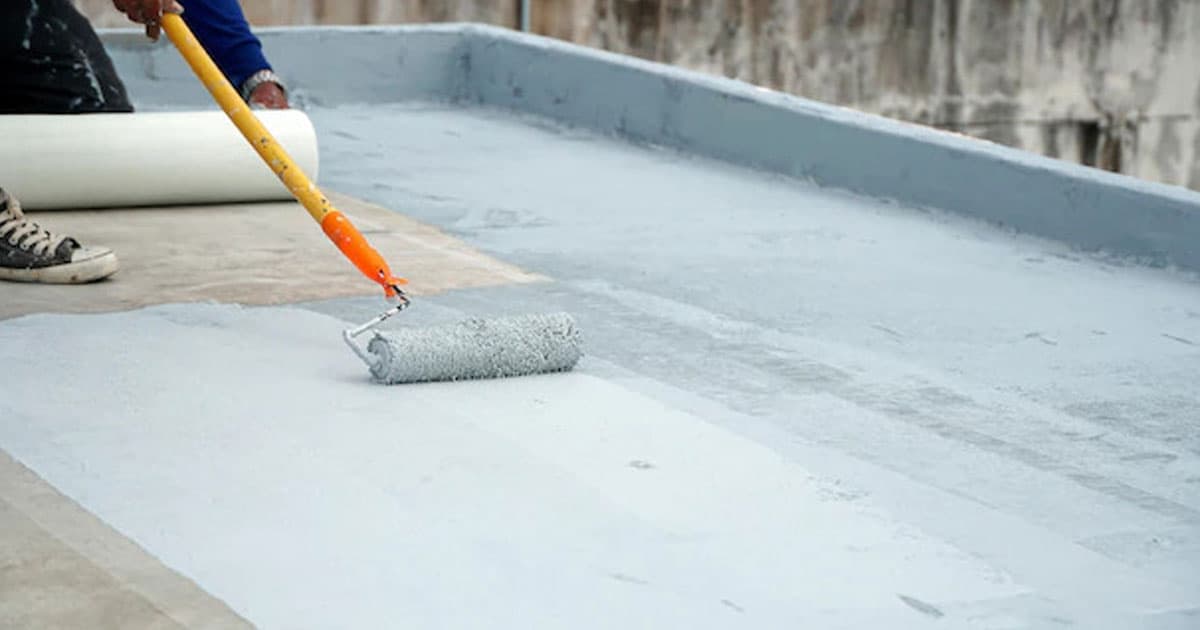
How Roof Coating Systems Weatherproof Your Home?
A roof coating system is the best way to weatherproof your home. Applying a silicone roof coating or a polyurethane foam roof coating can protect your home from the elements. These roof coatings are designed to seal your roof and protect it from weather damage. In this blog post, we will discuss the benefits of roof coating systems and how they can weatherproof your home! Silicone Roof Coating Systems Protect Your Home Out of all the roof-related problems you could have, leaks and moisture are by far the most detrimental. Your best chance at a resolution is to take quick action as soon as you notice any leaking. Roof coating systems provide excellent waterproofing to your business's existing roof substrate (asphalt, single-ply, concrete, metal, or SPF) without a traditional roof tear-off or closures. What Is a Spray Polyurethane Foam? Spray polyurethane foam (SPF) is a type of insulation sprayed onto a metal roof to create a seamless, water-resistant barrier. This barrier helps to prevent leaks and keeps the inside of the commercial building cooler. SPF is made up of two main ingredients: polyurethane and isocyanate. These ingredients are mixed and then spray-applied to the roof. The mixture expands and hardens, creating a durable, long-lasting barrier. In addition to its insulating properties, SPF helps to dampen sounds, making it an ideal choice for buildings located in noise-sensitive areas and industrial roofs. Main Benefits of Silicone Roof Coating Systems Roof coatings are specially formulated to protect roof surfaces and structures from the elements. A roof coating system can be applied to both residential and commercial roofs, offering several benefits. Here are its main benefits: It helps prolong the roof's life by providing an extra layer of protection against weathering, UV rays, and temperature extremes. It can also improve energy efficiency by reflecting heat away from the building, and it can even help mitigate mold and mildew growth. In addition, roof coatings can be used to repair existing damage and restore the roof's original appearance. For all these reasons, roof coatings are an increasingly popular choice for homeowners and businesses. Common Problems a Roof Coating System Can Solve Most roofs leak or allow water to seep in for one of two main reasons: either the roof membrane is old and brittle, or It is relatively fresh but has tears or rips at the seams. Roof coating systems provide a seamless, watertight membrane that covers your entire roof surface. This prevents current leaks from getting worse and prevents future leaks from happening. These spray-applied coating systems cover the entire roof surface, providing complete waterproofing to your low-sloped roof—even around pipes, penetrations, drains, and equipment commonly found on roofs. Types of Roof Coatings There are a variety of different types of roof coatings available on the market today. One popular option is spray polyurethane foam, which can provide excellent insulation for a home or business. Another common choice is silicone roof coating, which can help extend a roof structure's lifespan. For those with metal roofs, special coatings are available that can help prevent rust and corrosion. Elastomeric roof coatings are also applied in spray form. They are made from elastomeric polymers and provide a flexible, waterproof barrier. They are often used on flat or low-slope roofs. In addition, solar reflective roof coatings are designed to reflect sunlight and reduce heat transfer into the building. No matter what type of roofing material you have, there is likely a coating available that can help to protect it from the elements. How to Find the Right Roof Coating System If your home needs a new roof or is simply looking for ways to extend the life of your existing roof, then it's essential to select the suitable roof coating. There are different options on the market, and the best choice for your home depends on various factors. So, take note of these: First, getting a free roof inspection from a qualified contractor is essential. This will help identify any areas of concern and give you a better idea of what type of coating would best suit your needs. Some common roof coatings include spray polyurethane foam, silicone roof coating, and urethane coatings. Each has its benefits and drawbacks, so it's essential to research before making a final decision. The most important thing is to select a roof coating that can withstand the elements and protect your home for years. Maintaining Your Roof Coating System Roof leaks are a severe problem for building owners. If left unaddressed, they can significantly damage the roof and the building itself. One way to prevent roof leaks is to maintain a roof coating system. Roof coatings are applied to the roof surface and act as a barrier to water and other elements. Over time, however, roof coatings can deteriorate, allowing water to seep through and causing leaks. As a result, it's crucial for building owners to inspect their roof coatings and repair any damaged areas regularly. Silicone coatings are a popular option for roof coatings because they are highly durable and resistant to weathering. However, silicone coatings must be applied appropriately to be effective, so hiring a qualified contractor is vital. By taking these steps, building owners can avoid costly roof leaks and maintain the integrity of their roofs. How Can We Help? Our AcryShield roof coating systems are durable and flexible due to the elastomeric base and topcoats used. These enable the system to stretch twice its original length without tearing or ripping - which is extremely important as weather climates can rapidly change temperature throughout the day, resulting in your roof expanding and contracting. Elasticity is vital for a roof to prevent rips, tears, and leaks. A flexible elastomeric membrane can expand or contract with your building's structure, giving you long-term protection. If you have questions about these roof coating systems, please get in touch with us. So, what are you waiting for? Call us now for the best weatherproof solution for your home or commercial building.
Nov 18, 2022

EPDM Roof Coating: How It Helps for Preventive Maintenance
Did you know that one of the best ways to maintain your roof and keep it in good condition is by using an EPDM roof coating? EPDM coatings are a type of rubber roof coating that can help seal any leaks on your roof and prevent water from entering. They can also help to protect your roof from the sun's UV rays, which can cause damage over time. This blog post will discuss the benefits of using an EPDM roof coating for preventive maintenance. We will also provide tips on choosing the suitable EPDM roof coating for your needs. What Is an EPDM Rubber Roof Coating? A preventative roof maintenance system can significantly prolong the life of an aged EPDM roof. The AcryShield EPDM Roof Coating System can lower roof maintenance costs, decrease energy usage and costs, and is renewable, meaning it will last indefinitely. No drilling, nailing, or seam-welding is necessary for installation, and the product causes little to no noise disruption. This makes them attractive to building owners and contractors, who can remain open and conduct business with minimal distractions. These systems also have ZERO or ultra-low VOCs and don't give off harmful or strong odors. How EPDM Roof Coatings Helps for Preventive Maintenance Protection From Elements EPDM roof coatings are rubber coating applied to roofs to seal and protect them from damage. The EPDM stands for ethylene propylene diene monomer, a synthetic rubber resistant to both UV rays and water damage. So this makes it an ideal material for roof coatings, as it can help prolong the roof's life by protecting it from the elements. There are several different brands of EPDM roof coatings on the market, and they can be applied either by brush or roller. Most EPDM roof coatings come in black, as this helps to absorb heat and reduce the risk of solar damage. Durable and Long-Lasting EPDM rubber roof coatings can help extend the life of your roof and prevent expensive repairs or replacements. EPDM roofs are known for their durability, but they can develop leaks over time. Applying a rubber roof coating can help fix existing leaks and prevent new ones from forming. The coating creates a barrier that protects against water, UV damage, and wear and tear. In addition, it helps to reflect heat, keeping your home cooler in the summer. As a result, applying a rubber roof coating can save you money in the long run by prolonging the life of your roof, and no need to fix roof leaks sooner. Roof Appearance Improvement Elastomeric roof coatings are a specialized type of roofing material designed to provide a high level of protection against weather damage. They are commonly used on commercial roofs but can also be used on residential roofs. One of the main benefits of elastomeric roof coatings is that they can help extend your roof's life. By providing a barrier against UV rays and other weather-related damage, elastomeric roof coatings can help to keep your roof looking newer for longer. In addition, elastomeric roof coatings can also improve the appearance of your roof, making it look newer for longer. If you are considering a new roof for your home or business, elastomeric roof coatings should be at the top of your list. More Savings If you have a flat roof, then you know that it can be prone to leaks. Not only is this a nuisance, but it can also be costly to repair. One way to help prevent leaks is to invest in an EPDM rubber roof coating. This type of coating is designed to create a waterproof barrier that will protect your roof from the elements. In addition, EPDM rubber coatings can also reflect sunlight, helping to keep your building cooler and lowering cooling costs. While EPDM rubber roof coatings are an initial investment, they will save you money in the long run by preventing expensive repairs and reducing cooling costs. EPDM Rubber Roof Coating Installation Process Examination Before beginning the AcryShield EPDM roof coating process, here are the things you need to do: All surfaces must be clean and smooth. This means free of moisture, dirt, debris, or any other type of contamination. In addition, all roof penetrations, mechanical equipment cants, edge metal, and other on-roof items need to be in place and secure. Don't forget to clean the drains and check that they work properly. Finally, protect air conditioning systems and air intake vents from over-spray by closing them off near where you'll be applying the coating system. Cleaning To create a smooth, clean surface for the roof coating that will ensure proper adhesion, you may need to use an industrial cleaner and scrap away any debris. Power brooming or vacuuming can also be used to remove dirt and debris. However, it is essential to note that areas of defect or leaks should be manually cleaned to prevent worsening the issue. Pressure washing before applying the EPDM roof coatings significantly helps to remove extra dirt and debris. Sealing After cleaning the EPDM roof system, seal and reinforce all loose seams and other failing areas that the coating manufacturer specified. Use either butyl seam tape or saturate 10" wide T272 polyester reinforcing fabric in the AcryShield A502 base coat. Seal HVAC duct work joints, mechanical equipment, coping seams, and other critical junctures with AcryFlex, an architectural sealant. Reinforce them with polyester fabric or butyl seam tape. Before beginning the application process, you will need to reinforce skylights, equipment platforms, and all other roof penetrations using 20" wide T272 fabric and an AcryShield A502 base coat. The sealants and base coats usually take 8 to 24 hours to dry (depending on weather conditions). Application After cleaning, repairing faults and seams, and installing specific reinforcement, the application starts. The roof is primed. AcryShield A502 base coat is perfect for painting single-ply because it adheres tenaciously to hard-to-coat surfaces like EPDM without primers or etching rinses. After 8 to 12 hours, a topcoat is applied. AcryShield A500 delivers lifespan, brightness, exceptional dirt pick-up resistance, and protection against algae and mold. In addition, A500 fulfills ASTM D6083 criteria for tensile strength, elongation, and wet adhesion. Once the topcoat dries, the EPDM roof coating system may be used. Conclusion EPDM rubber roof coating is a proven way to protect your roof from weathering and maintain its good condition for years to come. With its high resistance to harsh weather conditions, this coating is a reliable solution for preventive maintenance on any type of roofing material. Not only will it protect your roof from damage, but it can also extend the life of your roof significantly. Investing in EPDM roof coatings is an affordable way to keep your roof looking good and performing well for years to come. If you're looking for a reliable and cost-effective solution for preventive maintenance, EPDM rubber roof coating is an excellent choice.
Nov 18, 2022
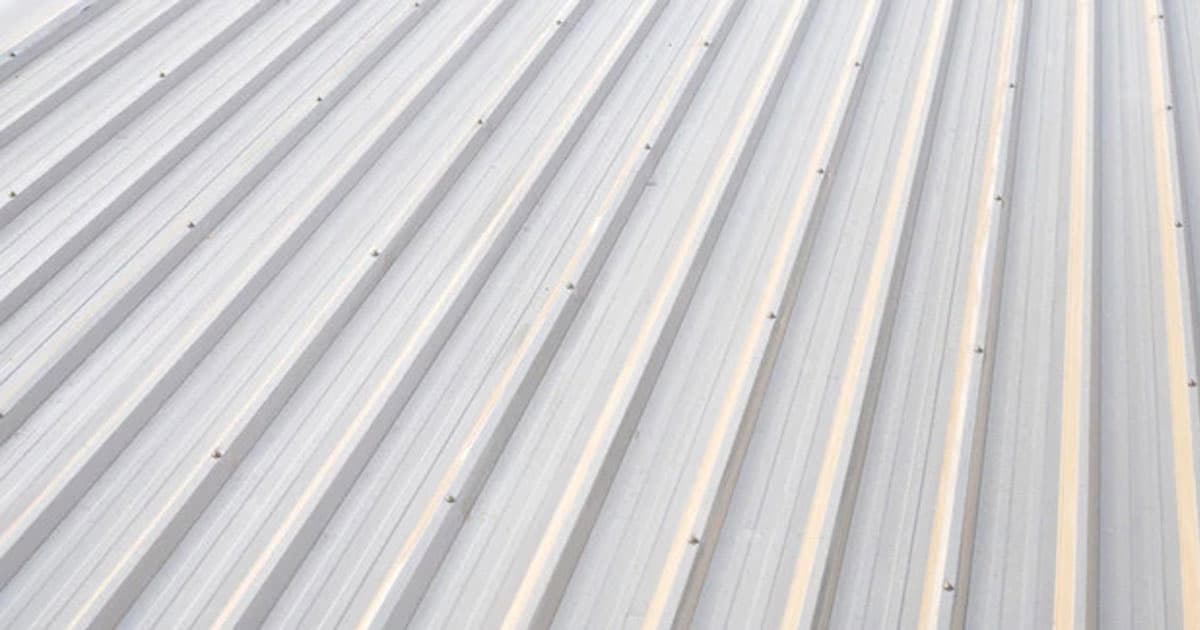
The Importance of Adhesion When Applying Elastomeric Roof Coating System
When it comes to roof coatings, there are many different types to choose from. One of the most popular is elastomeric roof coatings. These coatings are known for their durability and weather resistance. But many people don't know that adhesion is a critical factor in ensuring that your elastomeric roof coating system performs well over time. In this blog post, we will discuss how adhesion works and how you can use it to your advantage when applying an elastomeric roof coating. Stay tuned! How Adhesion Works With Elastomeric Coatings Adhesion is the process by which two materials are bonded together. This process binds the coating material to the roof's surface in elastomeric coatings. There are two main types of elastomeric roof coatings: silicone and acrylic. Silicone coatings are typically more expensive than acrylics, but they offer better resistance to extreme temperatures and UV radiation. On the other hand, acrylics are easier to apply and usually have a longer lifespan. Regardless of the elastomeric coating you choose, it's essential to ensure that the surface is properly prepared before application. This usually involves cleaning the surface with a solvent or degreaser and then etching the surface with an acidic solution. Once the surface is prepared, the elastomeric coating can be applied using a brush, roller, or sprayer. Elastomeric coatings are commonly used on flat roofs and metal roofs, but they can be used on any roofing material. How to Ensure Proper Adhesion With Elastomeric Roof Coatings Compatible Coating and Roofing Substrate While there are many roof coatings on the market, they cannot all be applied to every roofing substrate. There are coatings explicitly made for asphalt, BUR, Mod Bit, and Cap sheet roofing; Single-Ply Membranes – TPO, EPDM, Hypalon, and PVC; SPF, Metal, and Concrete substrates. These formulations provide the maximum adhesion possible to each of their respective substrates. For example, Single-Ply membranes are the toughest to adhere to due to their physical deterioration and the leftover residue. Consequently, most roof coatings need a caustic primer or etching rinse before applying an elastomeric coating. Although this additional step is costly and time-consuming, it enables proper adhesion. AcryShield A502 is a fast and simple solution for Single-Ply roofing that does not require a primer or etching rinse. This elastomeric roof coating directly and securely adheres to your membrane, providing an affordable option to fix your roof quickly. Existing Roof Membrane Surface The slightly rough surface texture helps the coating material to grab hold and adhere better. In addition, the contact between the coating and roof can be improved by a rougher surface, as coatings are usually sprayed on first before they fill in any gaps or indentations in the membrane. This gives the coating more area to cling onto. However, if the texture is too harsh, it can create air pockets between the coating and the roof substrate. Before beginning any application, pressure wash and clean the substrate to ensure no dirt, film, or other residues that could prohibit the coating from directly adhering to it. You also need to ensure there are no areas on the existing roof that are not 100% adhered to. If so, remove these areas before applying the roof coating, as this can also cause air pockets and defects in the system. Cohesion Lastly, we will discuss cohesion. This term refers to the ability of a coating to produce the strength and bonding required to hold itself together as a cured and durable coating. However, weather conditions, coating thicknesses, and cure times are all factors that can either enhance or diminish the cohesion in the coating. To avoid any issues, it is best practice to follow the manufacturer's recommended application guidelines, as each has different requirements for obtaining ideal cohesion. The Importance of Silicone Roof Coating While silicone roof coatings are relatively new, they offer several advantages over elastomeric coatings. Unlike other roof coatings, silicone is highly resistant to UV radiation and extreme temperatures. In addition, silicone coatings are low-VOC and safe for the environment. When applied properly, silicone roof coatings can last for years, providing an effective barrier against water and weather damage. For these reasons, silicone roof coatings are an increasingly popular choice for commercial and industrial roofing applications. Thus, it would be best if you considered getting a silicone coating for your roof. How an Elastomeric Roof Coating Promotes Energy Efficiency Elastomeric roof coatings are a type of painting that is applied to roofs in order to promote energy efficiency. This is because elastomeric roof coatings help to reflect sunlight rather than absorb it. This helps to keep your home cooler in the summer months, which reduces the amount of energy that is needed to cool your home. In turn, this can lead to lower energy costs and energy bills. Elastomeric roof coatings are also effective in winter, as they help to insulate your home and prevent heat loss. This can increase energy efficiency and lower energy costs throughout the year. Ultimately, elastomeric roof coatings effectively promote energy efficiency in your home and save money on your energy bills. Prevent Standing Water With Elastomeric Coatings Elastomeric coatings are a type of waterproof coating commonly used on roofs. They are applied as a thick, rubbery coating that can fill in cracks and imperfections. One of the main benefits of elastomeric coatings is their ability to prevent standing water. When applied to a roof, elastomeric coatings create a smooth surface that causes water to roll off instead of ponding. This is especially important in the winter months when snow and ice can cause significant damage to a roof. By preventing standing water, elastomeric coatings help extend a roof's life and protect it from weather-related damage. Protect Your Roof Now! Discover more about our elastomeric roof coatings and restoration systems to improve the efficiency of your commercial building. You can also learn about the different types of roof coatings and find the best option for your needs. Contact our team today to get started.
Nov 18, 2022
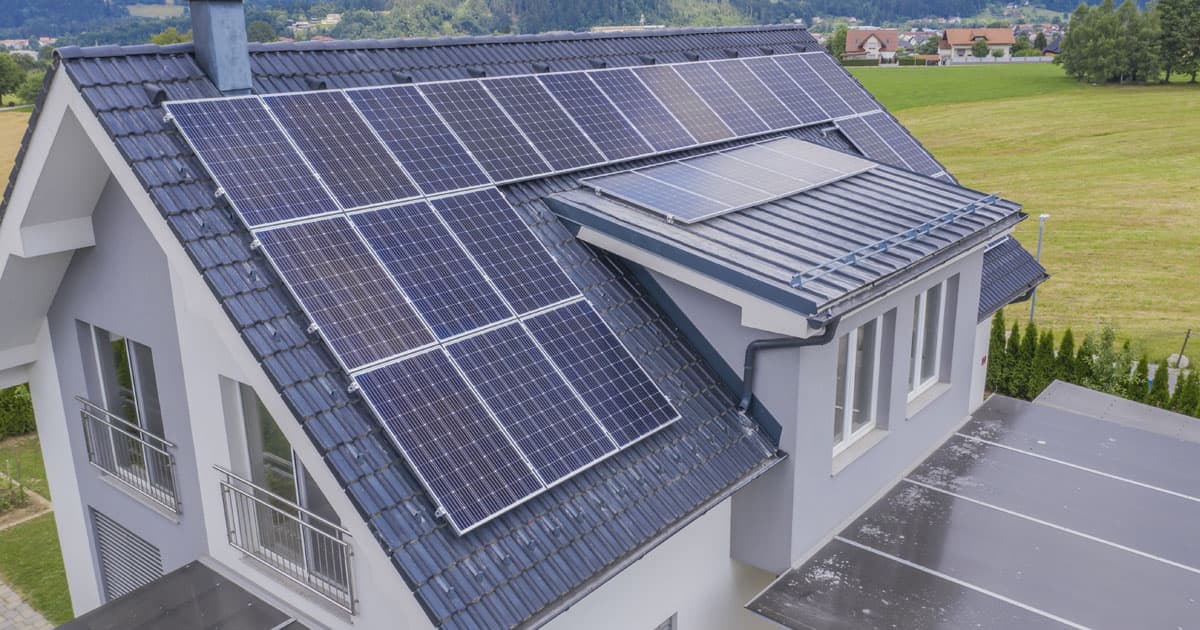
How White Reflective Roof Coatings Can Help Maximize Solar Roof Panel Capabilities
White reflective roof coating is a great way to maximize solar roof panel capabilities. Solar panels are becoming more and more popular in the United States, and they are taking over the roofing industry. For example, in 2017, solar panels were installed on over 1 million new homes in the United States alone. If you're thinking about installing solar panels on your roof, it's important to know that there are several factors that can influence how much energy your panels will produce, including the angle at which they face (solar panels need direct sunlight), as well as how much shade there is on your roof. A white reflective roof coating can help maximize solar panel capabilities by reflecting light back into the atmosphere instead of absorbing it into the ground or being absorbed by other objects around it. This means that white reflective coatings increase light reflectance value (LRV) and decrease albedo (the amount of light reflected). In addition, white reflective coatings provide protection against UV rays and heat absorption while protecting against rusting and oxidation. Black Roofs Absorb More Heat Black roofs absorb more heat than white roofs , which means that they help cool your house. It's simple science: black absorbs heat, and white reflects it. The black tar used on most roofs today is made up of about 15% carbon, which absorbs the sun's heat. Meanwhile, the white paint on many roofs is reflective, which means it bounces light off of it, keeping the roof cooler. If you live in a hot climate, or if your home has a lot of windows and doors that let the sun come in during the day, having a black roof can help keep your house cooler during those times when you want to be inside, enjoying its shade and comfort. White Roofs Reflect the Sun's Heat Solar panels on buildings capture the sun's energy, and white reflective roof coatings can help maximize the amount of energy that is captured by those panels. Solar power is a renewable and clean electricity source that converts the sun’s energy into direct current, which is then converted by an inverter to an alternating current. This can be sent through a breaker box for use in homes or businesses for all kinds of electrical items. White reflective roof coatings reflect a majority of the sun’s energy away from buildings, allowing both direct and redirected solar panel-captured energy to be used by the building. Reflective roof coatings are used to maximize the energy captured by the solar panels and therefore create more electricity for use in a building. Solar Panel Efficiency and Heat Solar panels are made of photovoltaic cells, and each cell is a semiconductor device that converts light into electricity. The efficiency of solar panels refers to the percentage of sunlight that can be converted into electricity, and this efficiency depends on the quality of the photovoltaic material used to make the cells. The more efficient your solar panels are, the more electricity they can generate when exposed to sunlight—and the less money you will spend on your utility bills. The Impact of Temperature on Solar Panel Energy Output Many factors influence the output of solar panels. For example, the intensity of sunlight is a highly influential factor. The angle at which the sun hits a solar panel and clouds in the sky can also impact the amount of energy generated by a solar panel. The amount and quality of sunlight also impact the type of materials used in the manufacturing process for solar panels. Temperature can also have an effect on how much energy is generated by solar panels. In general, when temperatures rise, so does the efficiency rate for solar panels. This means that as temperatures increase, more electricity will be produced than if temperatures were lower. However, there are some exceptions to this rule; sometimes, higher temperatures can decrease efficiency rates because they cause materials used in manufacturing processes to degrade faster than usual. A Direct Correlation Exists Between Panel Temperature and Panel Output A direct correlation exists between panel temperature and panel output. When the temperature of a solar panel increases, so does its output. This is because increased temperatures lead to increased efficiency in the photovoltaic cells that make up the panels. The efficiency of these cells will depend on a number of factors, including the amount of light they receive and the time at which that light is received. However, all other factors being equal, if a photovoltaic cell is exposed to more heat, it will produce more electricity than it would have otherwise. This can be seen when comparing different models of solar panels: those that are made from higher quality materials tend to perform better than those made from lower quality materials under similar conditions. Higher Temperatures Reduce Efficiency Higher temperatures reduce the efficiency of solar panels. As solar panels heat up, their ability to generate electricity decreases. This is because the photovoltaic effect stops working when a solar panel's temperature reaches around 50 degrees Celsius. At this point, it generates less energy than it would at lower temperatures. This means that in hot climates with high sun intensity, you'll need more efficient solar panels to get the same amount of power as in cooler climates with less sun intensity. The Average Temperature Is What Counts The average temperature is what counts when it comes to the number of solar panels needed for your home. Solar panels are made up of photovoltaic cells, which convert sunlight into energy that your home can use. The number of cells in a solar panel will determine how much power it can produce, but the efficiency of those cells also matters. The average temperature you live in will determine how many solar panels you need to provide enough energy for your home. If you live in an area where the temperature is warmer than average, then you will need fewer solar panels than someone who lives in an area with colder temperatures. Why White Reflective Coating is More Cost-Efficient With the rise of energy-efficient and eco-friendly materials, we've seen a wide variety of products emerge with white reflective coatings. This is because white reflective coatings are not only energy-efficient, they're also cost-efficient. White reflective coatings are made up of tiny crystals that reflect light in all directions, which helps keep your home warmer in the winter and cooler in the summer. This means you won't need to spend as much on heating or cooling your home. Because they're more efficient than traditional materials, white reflective coatings are also more cost-efficient. You'll save money by using less electricity, which will lead to lower utility bills! The Takeaway White reflective roof coating is a great way to maximize solar roof panel capabilities. The white coating reflects heat, which helps keep your house cooler and reduces the amount of energy needed to cool it. This means that you can use less energy and save money. You can also get a white reflective roof coating that helps prevent algae growth, which is important if you live in an area where algae is a problem. Contact Tucson Rubberized Coatings today if you're interested in white reflective roof coatings or any of our other energy-efficient products!
Oct 10, 2022

Multiple Benefits of Using a Roof Coating: Keep Your Home Protected
If you're a homeowner, you know that one of the most important parts of your house is the roof. Not only does it protect you and your family from the elements, but it also plays a big role in energy efficiency and curb appeal. That's why it's so important to keep your roof in good condition - and one of the best ways to do that is by using a roof coating. Roof coatings provide a number of benefits, from UV protection to energy savings, and can even extend the life of your roof. In this article, we will discuss some of the many benefits of using a roof coating. We will also provide tips on choosing the right roof coating for your home. So, if you are looking for ways to protect your home and save money, read on! What is a Roof Coating? Roof coatings are fluid-applied systems that can be applied to almost any roofing substrate to provide a seamless, monolithic membrane. Coatings can either be reflective (to keep the building cooler in summer) or emissive (to help the building retain heat in winter). It is typically applied in two or more coats using various methods, including spraying, rolling, and even brush-on application. They can be used on asphalt shingles, metal roofs, EPDM roofing systems, and even concrete and clay tile roofs. The existing roof system does not need to be removed to apply a roof coating, but the roof surfaces must be clean and dry to ensure proper adhesion. Multiple Benefits of Using a Roof Coating When it comes to your home, you want to do everything you can to protect it. That’s why a roof coating is such a great investment. Here are just some of the benefits of using a roof coating: Protects Against Roof Leaks Adding a roof coating is an excellent way to protect your home against leaks. By sealing all the roof surfaces, you can prevent water from seeping in and causing damage. This is especially important if you live in an area with a lot of rainfall. It Prevents Premature Roof Aging Your roof is constantly exposed to the elements, which can cause it to deteriorate over time. But, by using a roof coating, you can help to protect your roof and prevent it from aging prematurely. Over time, this can save you money on roof repairs or roof replacement. Extends the Life of Your Roof A roof coating applied to your home’s roof is a great way to extend its lifespan. A quality roof coating will provide a durable, protective layer that will help keep your roof in good condition for many years. Extra life for your roof means extra protection for your home. It Saves You Money in the Long Run While a roof coating may be an initial investment, it will save you money in the long run. A quality roof coating can last up to 20 years, so you won’t have to replace your roof often. This can save you thousands of dollars over the years. Improves Green Reputation This is especially important for commercial and industrial buildings, which tend to have larger footprints. If you are trying to improve your business's green reputation, a roof coating can help you protect your building. Green building is becoming increasingly popular, and a roof coating can help demonstrate your commitment to sustainability. Improves Roof Appearance A fresh coat of roof coating can immediately improve the appearance of your home, making it look newer and more well-maintained. A properly applied roof coating will also help to fill in any cracks or gaps in your roof, further improving its appearance and protecting it from the elements. Reduces Energy Consumption One of the most important benefits of using a roof coating is that it helps to reduce energy consumption. By reflecting sunlight, a roof coating can keep your home cooler in the summer months and help to reduce your air conditioning costs. In the winter, a roof coating can help to keep heat from escaping through the roof, helping to keep your home warmer and reducing your heating costs. Reduces Roof Noise Another great benefit of a roof coating is that it can help reduce the overall noise from your roof. This is especially beneficial if you live in an area with a lot of traffic or construction noise. The coating acts as a barrier to help reduce the amount of noise that enters your home. Roof Coating Systems are Affordable It is one of the most affordable roofing solutions that you can have in your home. This is because applying the coating to your roof is relatively simple. In addition, you will not have to pay for any repairs or replacements for many years after the initial application. Improve the Value of Your Home When you have a new roof coating installed, it can increase the value of your home. Because potential buyers will see that you have taken the time and money to protect your investment, they will be more likely to make an offer . In addition, if you do ever decide to sell, having a new roof coating can be a great selling point. As you can see, there are many benefits to using a roof coating on your home. If you are looking for a way to improve your home's appearance, extend your roof's life, or reduce energy consumption, a roof coating may be the perfect solution. With so many benefits, it’s no wonder that more and more homeowners are choosing to use a roof coating on their homes. How to Choose the Right Roof Coating for Your Home Many different types of roof coatings are available on the market, so how do you know which one is right for your home? Here's a quick guide to help you choose the best roof coating for your needs. Roof type - The first thing you need to consider is your roof type. Different types of roofing materials will require different types of coatings. For example, asphalt shingles can be treated with a sealant, while metal roofs may need a paint-like coating. Climate - Climate also plays a role in choosing the right roof coating. If you live in an area with high humidity, you'll want to choose a roof coating that can withstand moisture and won't break down over time. Conversely, if you live in a dry climate, you'll want to choose a roof coating that won't crack or peel due to the heat. Budget - One of the most important factors to consider when choosing is your budget. If you have a limited budget, you may want to choose a less expensive option, like an asphalt-based roof coating. However, if you have a larger budget, you can afford to be more selective and choose a higher-quality roof coating. Once you've considered all of these factors, you'll be able to narrow down your choices and select the best roof coating for your home. If you have any questions, consult us at Tucson Rubberized Coatings today. We're experts in roof coatings and can help you choose the right one for your needs. Different Types of Roof Coatings There are many different types of roof coatings available on the market today. Each type has its unique set of benefits that can help keep your home protected from the elements. Here is a look at some of the most popular types of roof coatings. Asphalt Roof Coating Asphalt roof coatings are one of the most popular types of roof coatings on the market. They are made of a mixture of asphalt and other materials, which makes them durable and long-lasting. Asphalt roof coatings are also great at reflecting heat, which can help keep your home cooler in the summer. In addition, asphalt roof coatings can also help protect your roof from UV damage and weathering. Elastomeric Roof Coating Elastomeric roof coating is a thick, rubbery substance applied to the roof to protect it from the elements. This coating is typically white in color, reflecting sunlight away from home, which helps keep the interior cooler during hot weather. The material's ability has elastic properties that allow them to expand and contract with the roof during temperature changes, which helps prevent cracks and leaks. Acrylic Roof Coatings An acrylic roof coating is a liquid-applied material that consists of acrylic resins and other modifiers. It is white or light colored when first applied but dries to a clear finish. Acrylic coatings are available in low-gloss (matte) and high-gloss finishes. They can be pigmented to achieve a variety of colors as well. It is the most popular roof coating type because it offers superior protection against UV rays, weathering, and ponding water. Silicone Roof Coating Silicone coatings are created with polymers that form a seal over your roof. This offers great protection against water and the elements while also providing resistance to dirt, grime, and mildew build-up. It is UV stable, meaning it will not break down or degrade from sunlight exposure. Conclusion A roof coating can protect your home against the elements while also increasing its curb appeal. When it’s time to replace your roof, be sure to consider a roof coating as an option. It could save you money in the long run and leave your home looking better than ever. Contact Tucson Rubberized Coatings for more information about roof coatings. We would be happy to answer any questions you may have and help you choose the best coating for your needs.
Aug 29, 2022